
@Ota Udeh
@Somkelechi Chibueze
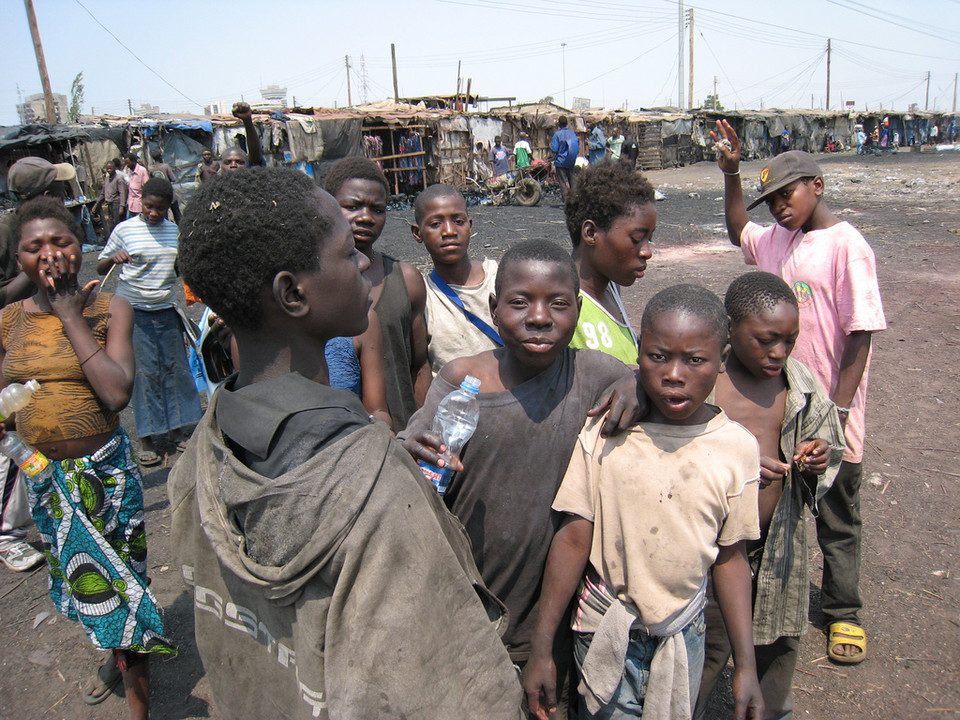
Beneath the busy streets, crowded markets, and growing urban life in Cross River State lies a silent humanitarian concern – the increasing number of children forced to survive without shelter, protection, education, or proper care.
From scavenging for food to sleeping in open spaces and navigating daily exposure to abuse, exploitation, hunger, and substance addiction, the realities faced by street children continue to spark concern among residents, who are now calling for urgent government intervention and stronger community support systems.
In Calabar, residents who spoke during a public opinion segment on Hit FM, Cross River Speaks, described the situation as both heartbreaking and dangerous, warning that prolonged neglect could worsen insecurity, child abuse, and social instability in the future.
“If you go deeper and ask some of these things that is happening, you know that some of these children that are littering today are the scolombo that can cause harms in the future,” a resident remarked.
Many residents expressed worry over the growing visibility of children roaming major streets and public spaces without guidance or care.
“The other day I went to Lemna and I asked somebody, how are they living life like this? He said, when you go in there, you know the kind of life they are living there. They have another world there,” one of the residents stated.
“Something different can come out that the government will find in the future very difficult to cope. So in this time that we are seeing them, little beginning, government should try and create an enabling environment for them,” another resident added.
Some described the children as victims of poverty, broken homes, displacement, and economic hardship, stressing that many of them require rehabilitation, education, emotional support, and protection rather than condemnation.
“I know one that was living with a stepfather. The stepfather said he cannot accommodate the boy in the house and the wife in the house had nothing doing to keep the son. And as such, most of them are in the street. Some were even allegedly given names. They’re witches, they’re thieves and as such they cannot be accommodated in the house,” one of the residents disclosed.
“No, they are humans. You can’t push them away,” another resident stressed.
Residents appealed to the Cross River State Government, humanitarian organisations, and well-meaning individuals to intensify efforts aimed at protecting vulnerable children.
“If they can be picked, some can be future leaders. If you pick them, feed them, clothe them, train them, they can be future leaders. Some are willing to be accommodated if government will come to their aid,” a resident advised.
“If the government can at least imply 75% of their support, you will not see them littering anywhere. Government have that manpower to at least build some places for them and make a good life would come out of them,” another resident remarked.
“Anybody that can help should please help them so that tomorrow they may become somebody. If government can come to their aid, if NGOs can come to their aid, if individuals who are buoyant can come to their aid, things will be better for them,” one of the residents appealed.
Some called for the establishment of rehabilitation centres, access to free education, feeding programmes, mental health support, vocational training, and family reintegration initiatives.
“If government can create a place, keep a teacher, that will teach them skills. Maybe if they want to learn how to sew, how to bake cake, I think these children will change because they lack care,” another resident suggested.
They also advised parents to shun the idea, as much as possible, of sending out their children from homes to live on the streets.
“Though parents are not trying by sending their children out, some of them they just gave them some names, some they call them wizards. Based on the frustration and how to survive, they went and become robbers, beggars, attacking people and collecting people’s property. Life is not favouring everybody. We should stop this child trafficking by sending children out of the house,” another resident stated.
“Let us manage and stay with our children because children are the future leaders of this Nigeria and the whole world,” he added.
For many of these children, the streets have become both home and battlefield, a place where survival often comes before childhood.
As calls for intervention continue to grow, residents insist that protecting vulnerable children must remain a shared responsibility, not only for government, but for society as a whole.
